A hot stone massage sounds simple, heated rocks, placed on your back, and it is one of the oldest ideas in bodywork: warmth does what hands alone cannot, because heat persuades muscle to let go before pressure ever arrives. At spas like Body Balance Day Spa in Gastonia, hot stone sessions run an hour or longer, and the stones can also be added to a regular massage. Here is what actually happens, and why the heat is the point rather than the decoration.
How a hot stone session runs
- The stones heat. Smooth volcanic stones, usually basalt because it holds heat evenly, warm in a water bath kept at a controlled temperature.
- Placement. Warmed stones rest along the spine, in the palms and at other key points while you settle, giving muscles a head start on relaxing.
- Massage with the stones. The therapist works with oiled stones in hand, so strokes deliver pressure and heat at the same time, deeper warmth with less force.
- Rotation. Stones cool as they work and are swapped for warm ones throughout, keeping the temperature steady rather than fading.
- A quiet finish. The session ends with lighter work as the heat fades, so you leave warm and loose rather than overheated.
Why heat helps tight muscles
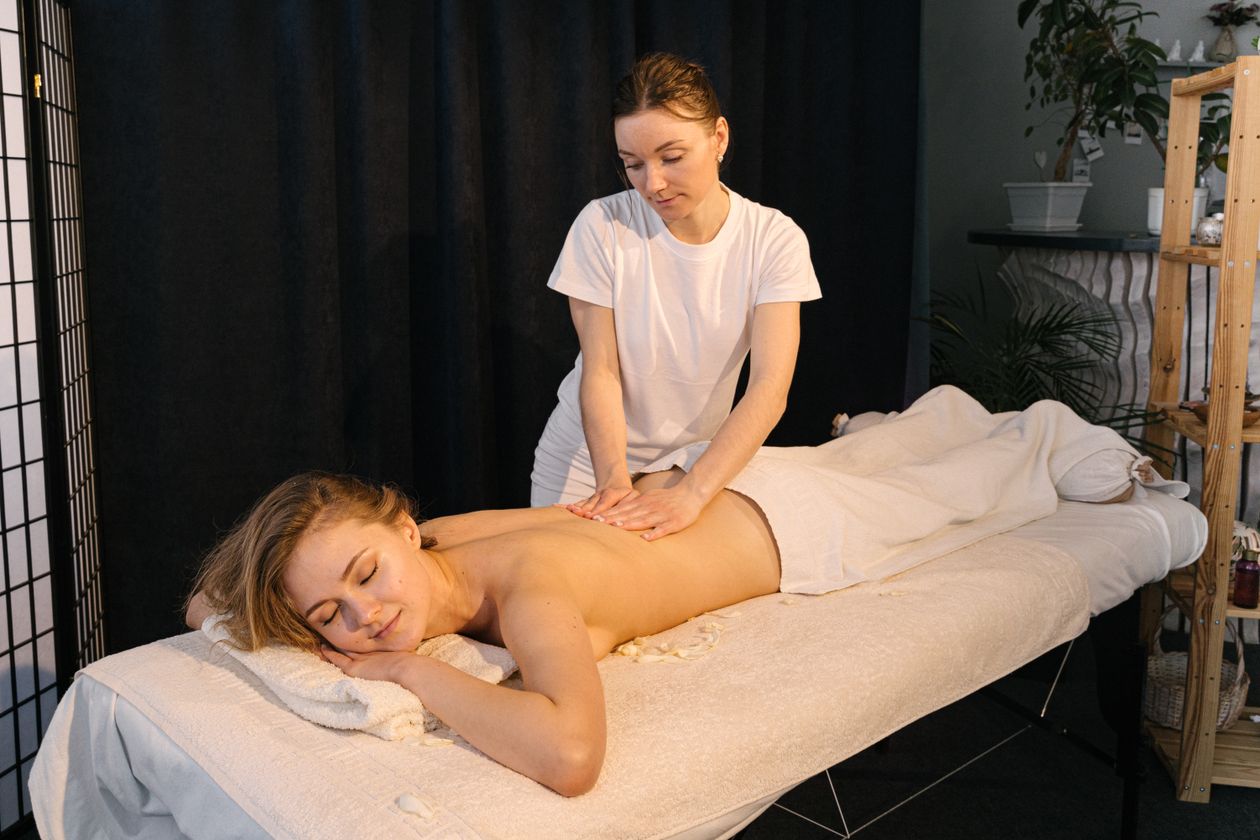
A guarded muscle resists pressure; push harder and it pushes back. Warmth changes the negotiation: heat increases local blood flow, softens the tissue's resistance and makes the nervous system read the area as safe. That is why people who find deep-tissue work too intense often do well with hot stone, the depth arrives through temperature instead of force. It is also why the style suits chronic tightness in the back, shoulders and legs, and the heavy, achy feeling that builds through a Gastonia winter of desk chairs and car seats.
Who should be careful
Heat is a real input and not for everyone. People who are pregnant, have diabetes with reduced sensation, high blood pressure, varicose veins in the area, recent injuries, or skin conditions affected by heat should tell the spa when booking and may be steered to a different service. That is also why the spa asks about medical conditions ahead of time: the right massage for your body is partly a screening exercise, and a good spa treats it that way.
Stone add-on versus full session
If you are curious but loyal to your usual massage, the add-on, stones worked into selected areas of a Swedish or custom session, is the test drive. A full hot stone session commits the whole hour to the method and suits people whose main complaint is deep, cold, end-of-day tension. Either way, speak up about temperature at any point; stones should feel like a warm bath, never like something to endure, and a therapist can adjust in seconds.
Hot stone versus deep tissue: picking by problem
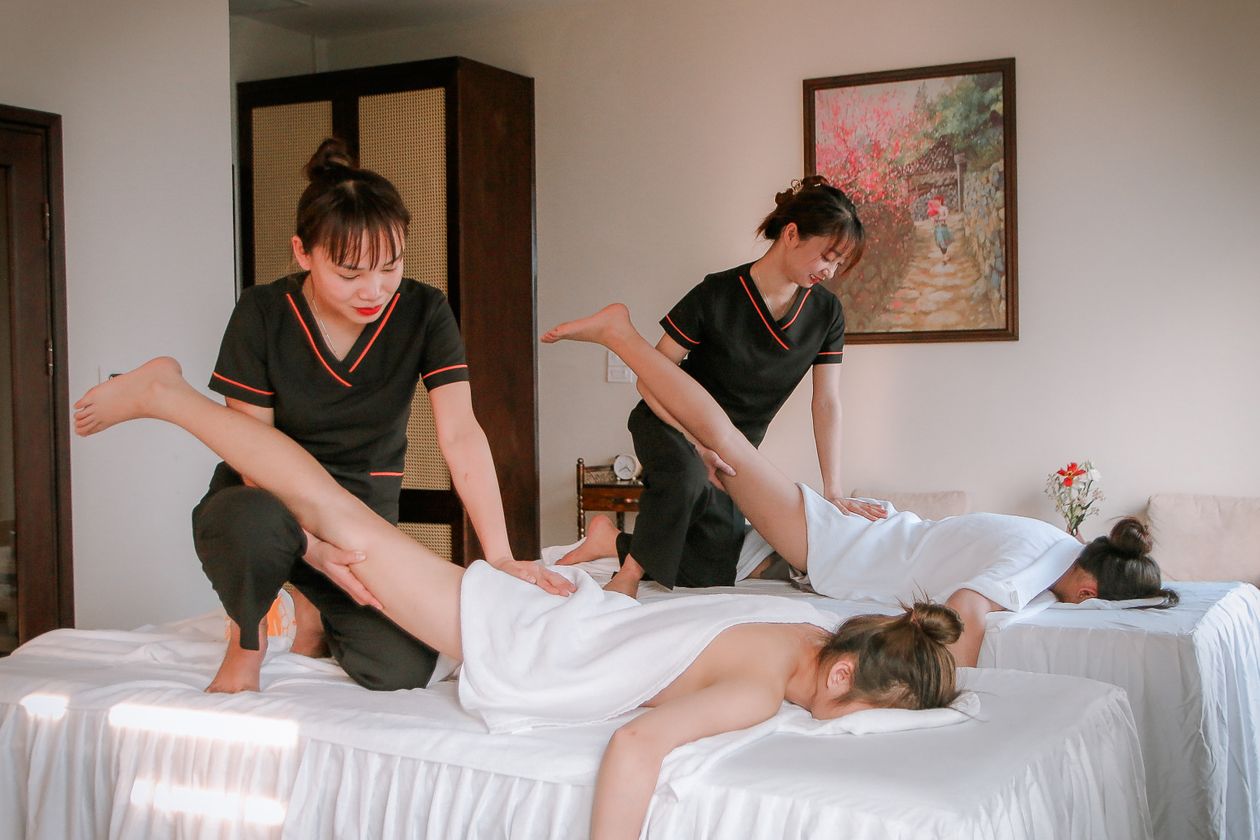
Choose by what you are carrying in. Diffuse, end-of-week tension, the feeling of being cold to the bone after a day in air conditioning or a Piedmont winter, responds to heat almost gratefully. A specific mechanical problem, one knot under one shoulder blade that refers pain into the neck, belongs to focused custom work where a thumb can find the exact fibers involved. Some clients alternate by season: stone work through the cold months, custom work in summer. And the honest shortcut is to describe the problem at booking and let the spa match it; matching people to modalities is the desk's daily job, and they are good at it.
A word on stones as an add-on during other services: some spas weave a few warm stones into facials or pedicares, and the effect is the same in miniature, a point of steady warmth that tells your whole system to stand down. If you are stone-curious but committed to your regular massage, that is the gentlest possible introduction. And if you fall asleep, which the staff will tell you happens constantly, take it as data. Bodies rarely drift off while braced for the next painful press.
Common questions
How hot are the stones?
They are heated in water at a controlled temperature and tested by the therapist before contact. They should feel deeply warm, not hot enough to make you flinch; say something immediately if they do.
Why basalt stones?
Basalt is a dense volcanic rock that heats evenly, holds warmth a long time and has a naturally smooth surface from river and sea action, which makes it comfortable against skin.
Will I feel sore afterward?
Most people feel loose and sleepy rather than sore. Drink water, take the evening easy, and expect the warmth's effect, easier movement in stiff areas, to be most obvious the next morning.
Photos in this guide are representative stock images.
← All guides from Body Balance Day Spa← Back to Body Balance Day Spa